Placenta Encapsulation
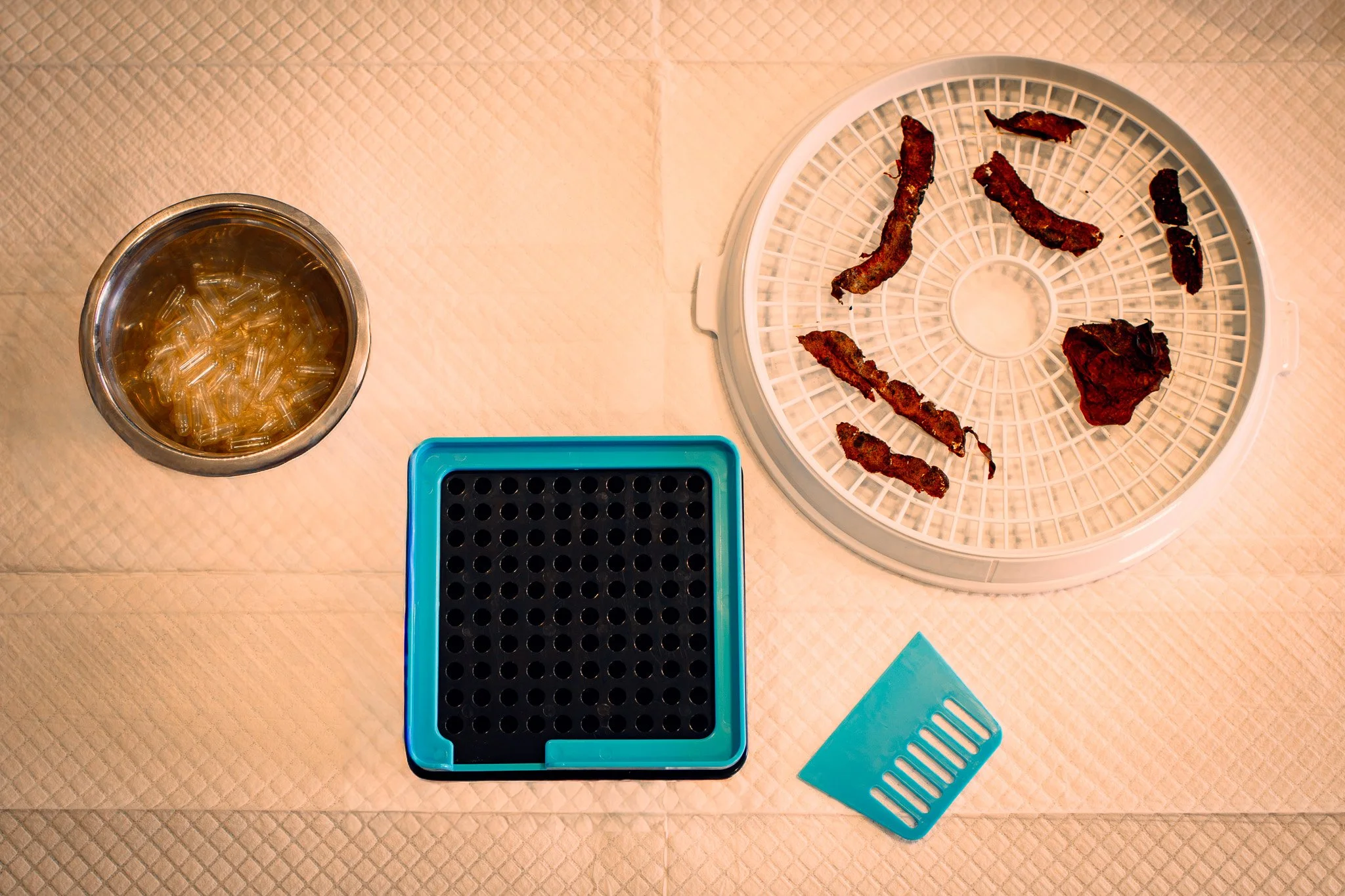
In Western birth culture, the placenta is often treated as something whose purpose ends the moment your baby is born—examined when necessary and then discarded as medical waste—yet this extraordinary organ spent nine months nourishing, oxygenating, protecting, and communicating with your growing baby. Your placenta carries a remarkable biological record of your pregnancy and played an essential role in your baby’s growth and development, and many mothers believe its story doesn’t have to end at birth. Placenta encapsulation offers a holistic way to preserve and honor what your body created, with mothers historically and anecdotally turning to placentophagy for postpartum nourishment and support. Rather than asking only, “What do we do with the placenta now?” I invite mothers to ask, “What might this incredible organ still have to offer me?”
Why Are Mothers Choosing Placenta Encapsulation?
A closer look at the reported benefits, different preparation methods, and why some mothers are making their placenta part of their postpartum care.
VIDEO COMING SOON
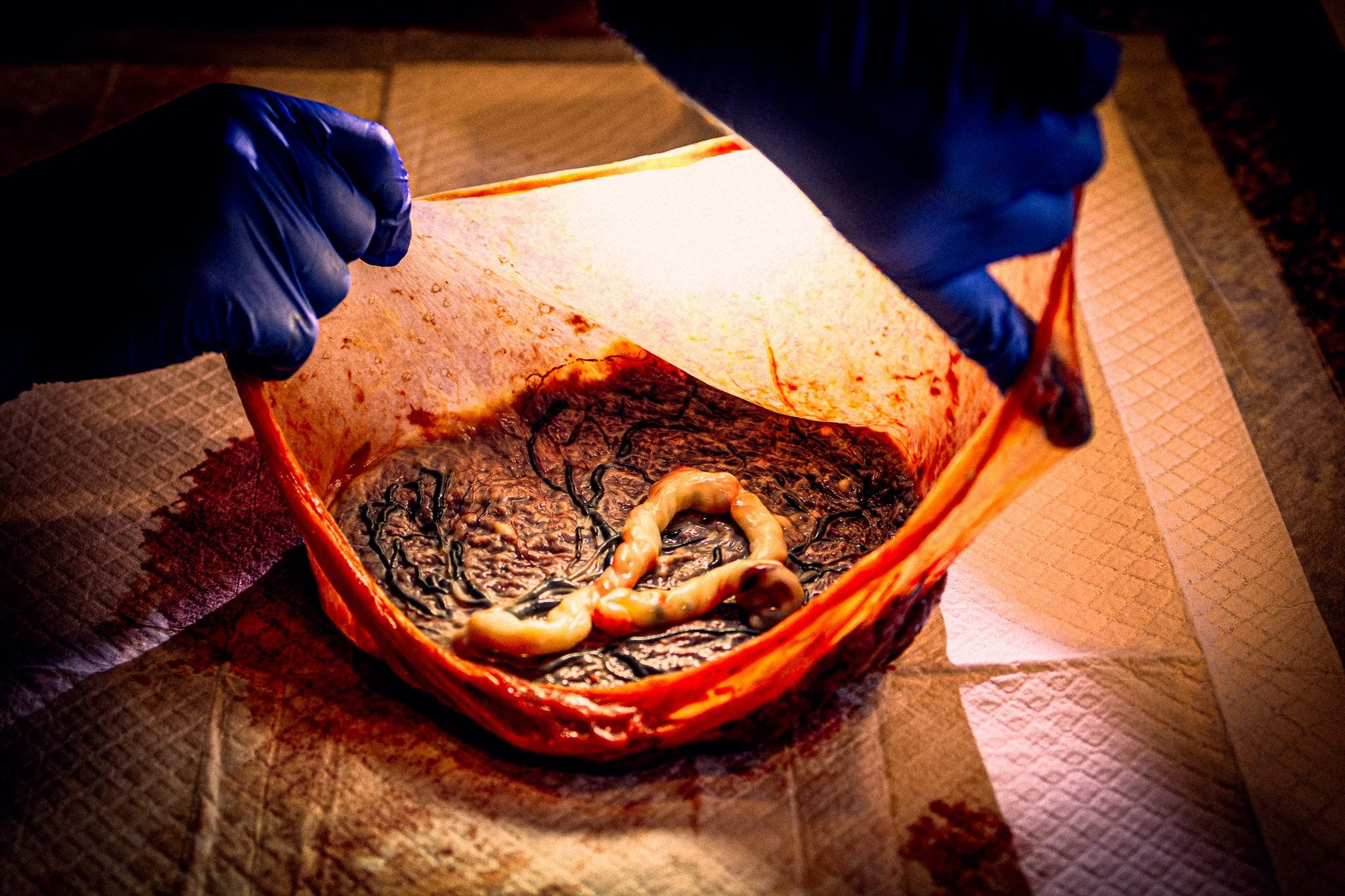
Why Should I choose Anointed Motherhood to Encapsulate My Placenta?
At Anointed Motherhood Ministries, your placenta is never just another order—it is handled with prayerful intention and reverence for the life it sustained, while you are cared for as a mother worthy of being nourished, honored, and supported in your postpartum season.
How Do I Know Which Preparation Method Is Right for Me?
Traditional Chinese Method (TCM)
The placenta is gently steamed with warming ingredients such as ginger, turmeric, and lemon until it reaches an internal temperature of at least 165°F, providing an added heat-treatment step intended to reduce bacterial contamination. It is then thinly sliced, thoroughly dehydrated, ground into a fine powder, and placed into capsules. This creates a fully cooked preparation rather than a raw-start encapsulation.
Raw Start Method
With the raw-start method, the placenta is prepared without the initial steaming step used in the Traditional Chinese Method. It is sliced while raw, thoroughly dehydrated, ground, and encapsulated. Because there is no steaming step, mothers who prefer this method often choose it to preserve more of the placenta’s naturally occurring constituents, such as enzymes, iron, and other vital nutrients, maximizing the benefits for your postpartum recovery.
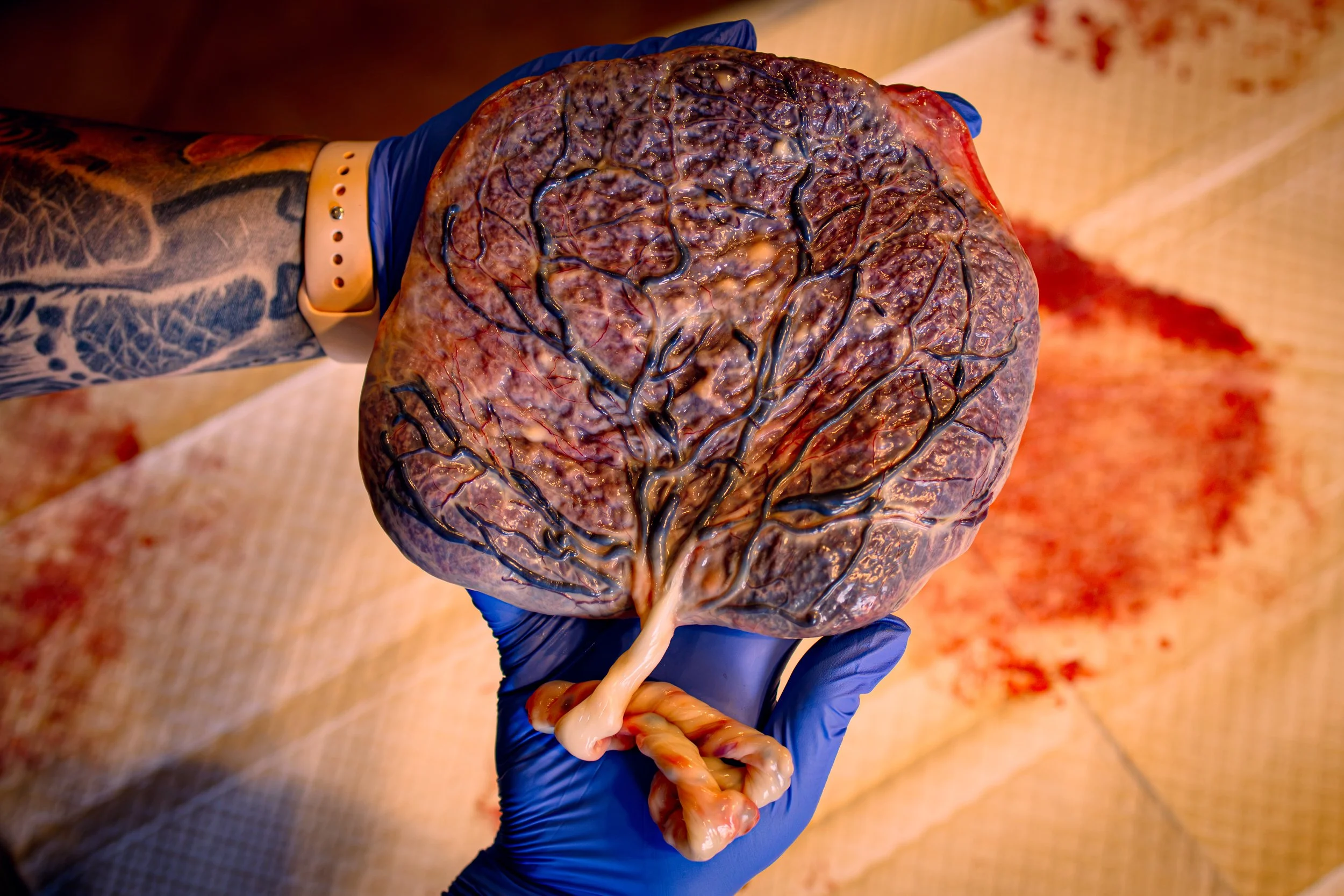
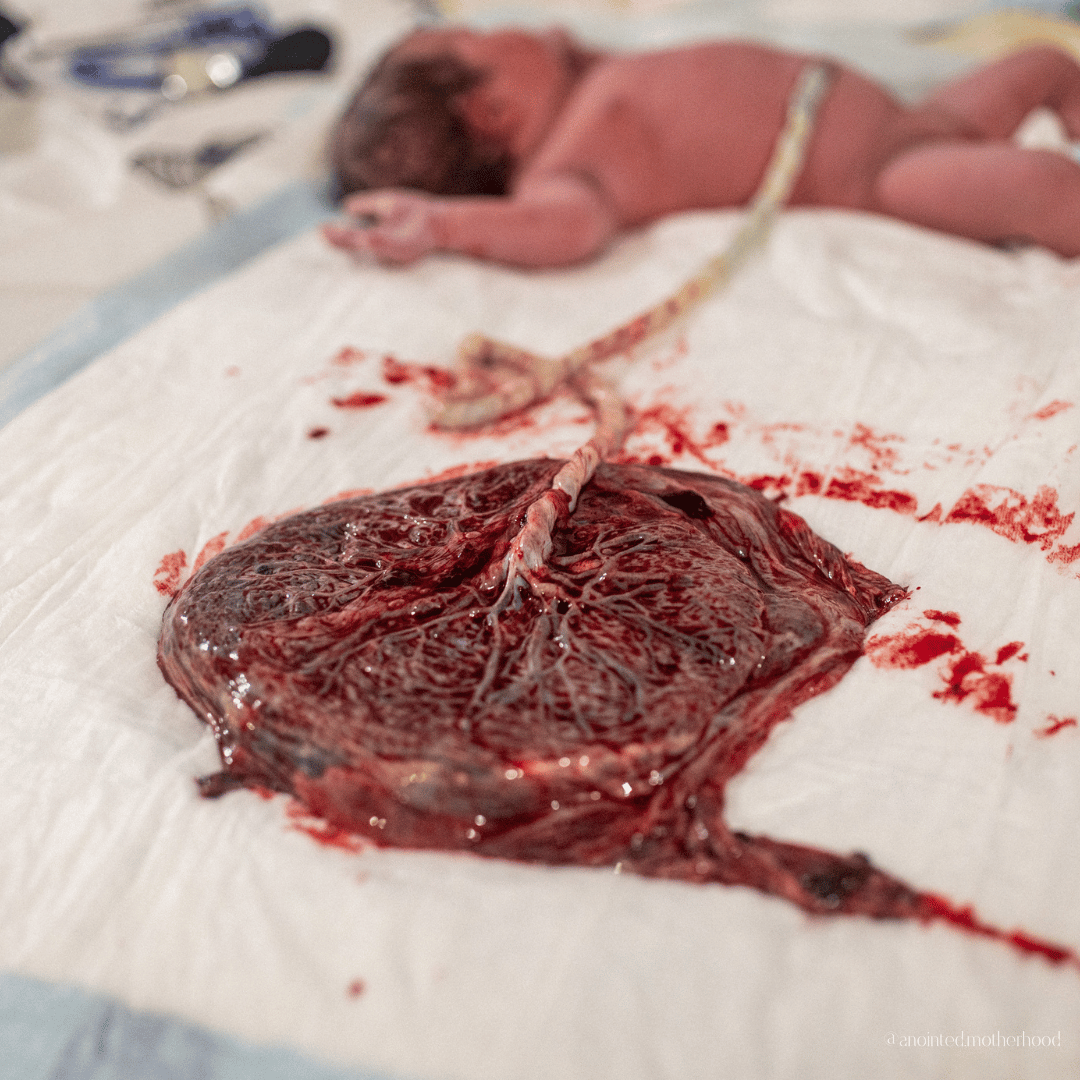
Choosing the encapsulation method that’s right for you can feel overwhelming, and ultimately your choice should reflect your comfort level, postpartum recovery goals, and personal care philosophy, which is why I offer a complimentary 15-minute consultation to answer your questions, walk through your options, and help you make an informed decision that feels safe, supportive, and aligned with your preferences.
Placenta Tincture
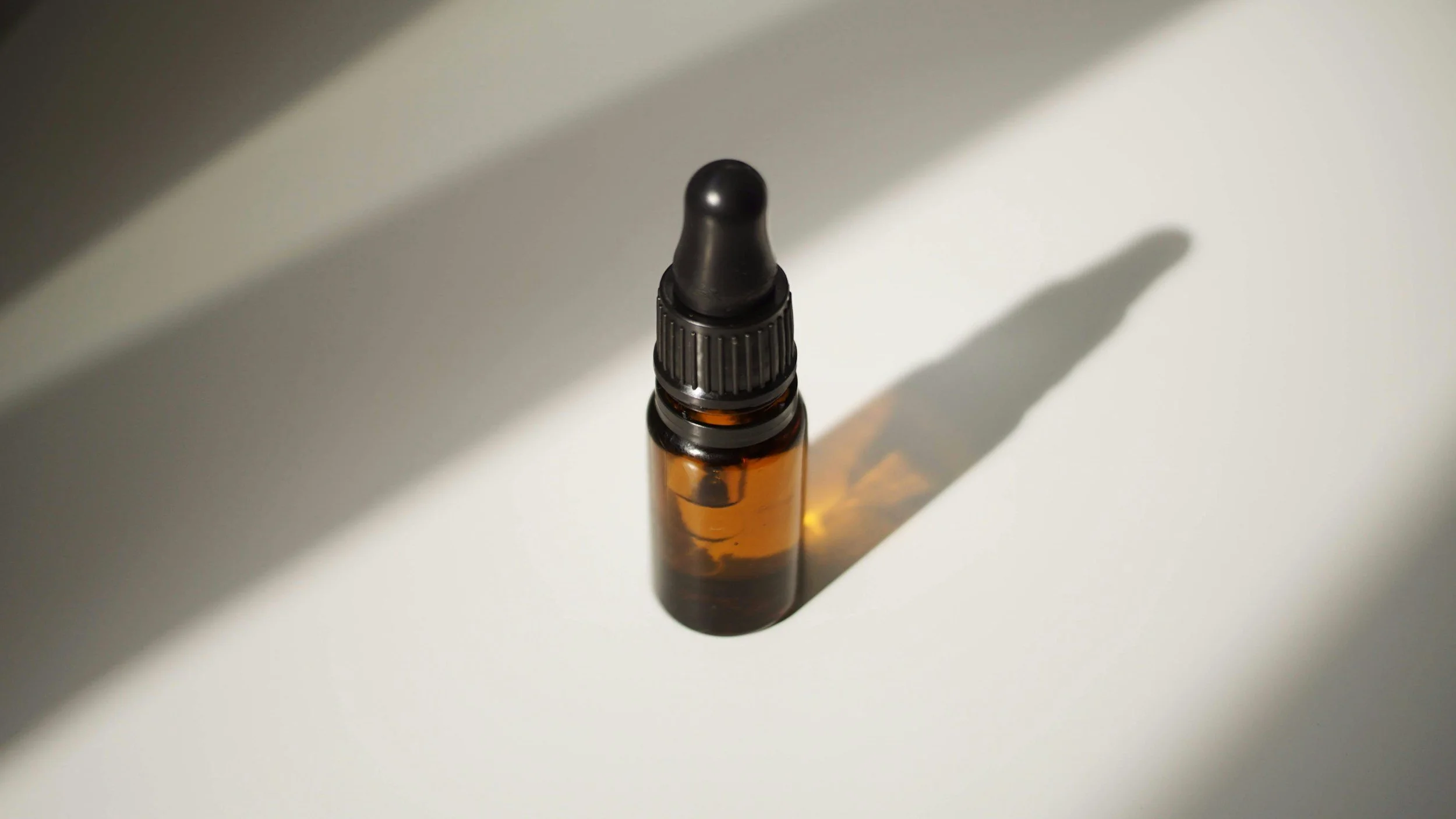
A placenta tincture offers a beautiful way to preserve a portion of your placenta for use long after your capsules are gone. Traditionally, mothers have reached for their tinctures during postpartum hormonal changes, PMS, weaning, mood shifts, anxiety, emotional distress, difficulty sleeping, digestive discomfort, and other seasons of transition. Placenta tinctures have also been traditionally used within families during teething, colic, growth spurts, rashes, coughs, congestion, and other childhood discomforts. With proper care, a tincture can be preserved indefinitely, allowing your placenta to remain part of your family's holistic wellness practices beyond the immediate postpartum season.
Client Resources
Frequently Asked Questions
-
Cost starts at $175. This includes pick up from your birthing location within 24 hours of birth, delivery to your home within 3-7 days of birth, instructions for use, and complimentary keepsakes.
-
Capsules should be stored in a cool, dry place - preferably stored in the freezer or fridge and away from sunlight- and can retain their nutrients and benefits for up to 1 year. Tinctures can last for much longer - up to years after the birth - and maintain their nutritional and hormonal benefits.
-
The number of capsules varies from person to person and is largely dependent on the size of your placenta. I’ve seen an average of 100 capsules but it could be more or less.
-
Mostly, yes! However, if mom and/or baby have developed a fever during labor or within 24 hours post birth, it's not recommended to move forward with consuming your placenta. Also, if your placenta undergoes pathology examination, it's not recommended to consume your placenta due to contamination concerns.
-
Our tinctures are a mixture of a very small piece of your raw placenta and an alcohol-based solution. You can take this tincture mixture and drop it on your tongue or into your water to receive the benefits.
-
Your placenta is handled with the same level of care and respect I would want for my own. As an educated Placenta Encapsulator, I follow rigorous OSHA sanitation, food-safety, bloodborne-pathogen, and cross-contamination prevention practices throughout the entire process. Each placenta is processed individually in a thoroughly cleaned and sanitized environment, with careful attention to proper storage, temperature, handling, and equipment sanitation from the moment your placenta enters my care until your finished products are returned to you.